

A GTIN, its batch and its date.
Make GS1 barcodes with a GTIN, batch, expiry and serial: GS1-128, GS1 DataMatrix, a GS1 Digital Link QR code, ITF-14 and DataBar, and what Sunrise 2027 means.
By Suraj KumarUpdated 5 min read
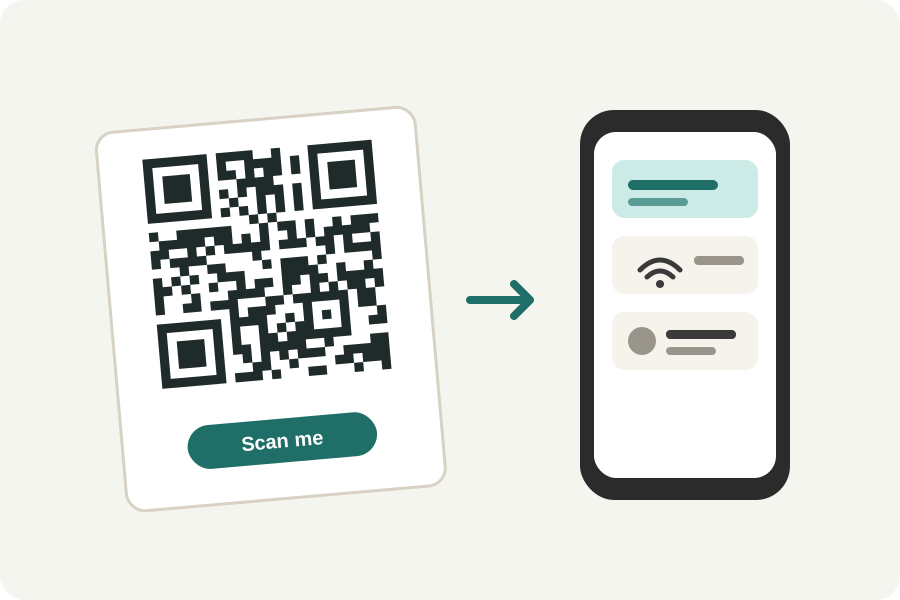
A GS1 barcode says more than which product it is: which batch, when it expires, which one of many. GS1 writes each fact after an Application Identifier in brackets. The KeepSimp GS1 barcode generator builds them from plain fields and checks them by GS1's rules.
Application Identifiers.
(01) is the GTIN, 14 digits; (10) the batch or lot; (17) the expiry date as YYMMDD; (21) the serial number; and there are many more, from net weight to the customer's order number, which you can add as (AI)value. Check digits and dates are checked here, and BWIPP checks every AI against GS1's own list as the code is drawn.
Which GS1 barcode.
GS1-128 for cartons and pallets; GS1 DataMatrix for healthcare and small parts; ITF-14 for a carton's GTIN alone on corrugated board; DataBar for fresh produce and coupons; and a GS1 Digital Link QR code, which holds the same facts as a web address that phones can open too.
Sunrise 2027.
GS1 US's Sunrise 2027 asks shops' tills to read 2D codes, GS1 DataMatrix and QR codes with GS1 Digital Link, by the end of 2027, so that one code on a pack serves the till and the shopper's phone. UPC and EAN are not retired: during the change, packs carry both.
Further reading
Topics: gs1 barcode · gs1-128 · gs1 datamatrix · gs1 digital link · sunrise 2027 · application identifier
A little less theory. A little more doing.
Try it on your own terms, with a free browser tool.
Try the tool