

Which barcode do I need?
EAN, UPC, Code 128, Code 39, ITF-14, GS1-128, Data Matrix, PDF417 or a QR code: what each barcode is for, and how to make one free in your browser.
By Suraj KumarUpdated 6 min read
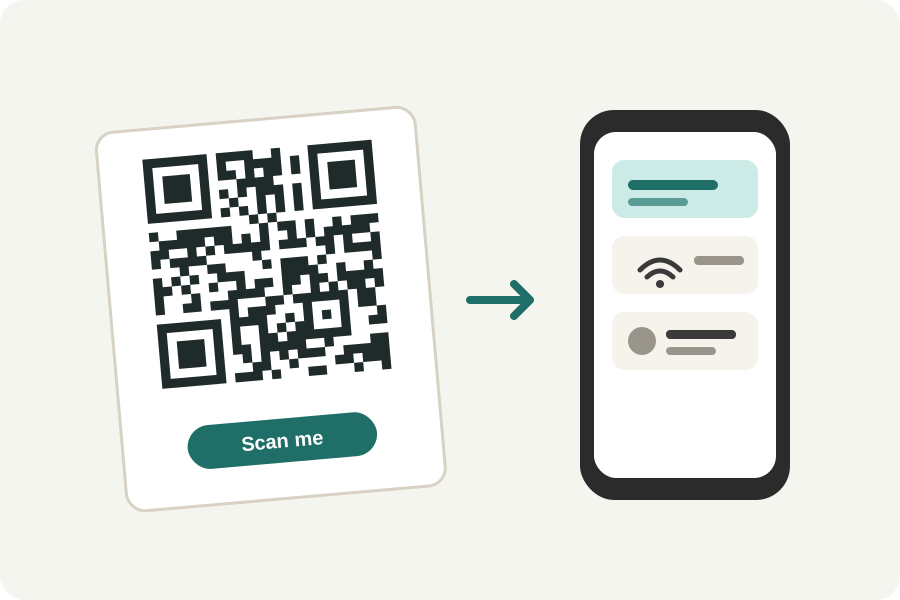
A barcode is chosen by where it will be read. The till in a shop reads EAN and UPC; a warehouse reads GS1-128 and ITF-14; a parts line reads Data Matrix; an airline reads PDF417 and Aztec. The KeepSimp barcode generator makes all of them in your browser and reads each one back.
Things sold in shops: EAN and UPC.
EAN-13 is on products everywhere but North America, where UPC-A is; EAN-8 and UPC-E are their short forms for small packs. They hold a GTIN, a product number your company gets from GS1, and a shop's system looks it up. A barcode with a number you made up scans, but no till will know it.
Books carry their ISBN as an EAN-13, often with a 5-digit price beside it.
Labels, tickets and stock: Code 128 and Code 39.
Code 128 holds letters, digits and signs in little space and every scanner reads it: the choice for your own labels, stock numbers and tickets. Code 39 holds capitals and digits and is wider; older systems and some industries ask for it. Interleaved 2 of 5 holds digits in pairs, and Codabar is still used by libraries and blood banks.
Cartons and pallets: GS1-128 and ITF-14.
GS1-128 carries a GTIN with its batch, expiry and serial in GS1's Application Identifiers, the numbers in brackets: (01) for the GTIN, (17) for the expiry, (10) for the batch. ITF-14 carries a carton's GTIN-14 and prints well on corrugated board.
Much in little space: Data Matrix, PDF417, Aztec.
Two-dimensional barcodes hold far more. Data Matrix marks small parts and medicines; PDF417 is on boarding passes and ID cards; Aztec is on train tickets and reads from a screen; Micro QR and rMQR are QR codes for tiny and narrow places. QR codes, which phones read, are on this same page.
Checked before you print.
Check digits are worked out or checked as GS1 defines them, and BWIPP, the drawing engine, checks every Application Identifier. Each barcode is then read back with zxing-cpp, as made, small and in dim light. Two kinds, MSI and Pharmacode, have no reader here, and the page says so.
Further reading
Topics: barcode generator · free barcode generator · types of barcodes · which barcode · barcode maker · 2d barcode
A little less theory. A little more doing.
Try it on your own terms, with a free browser tool.
Try the tool